The Spring Water Damage Restoration Survival Guide for Miami Families
Published: 2026-05-11 · By RailPro Water Damage Restoration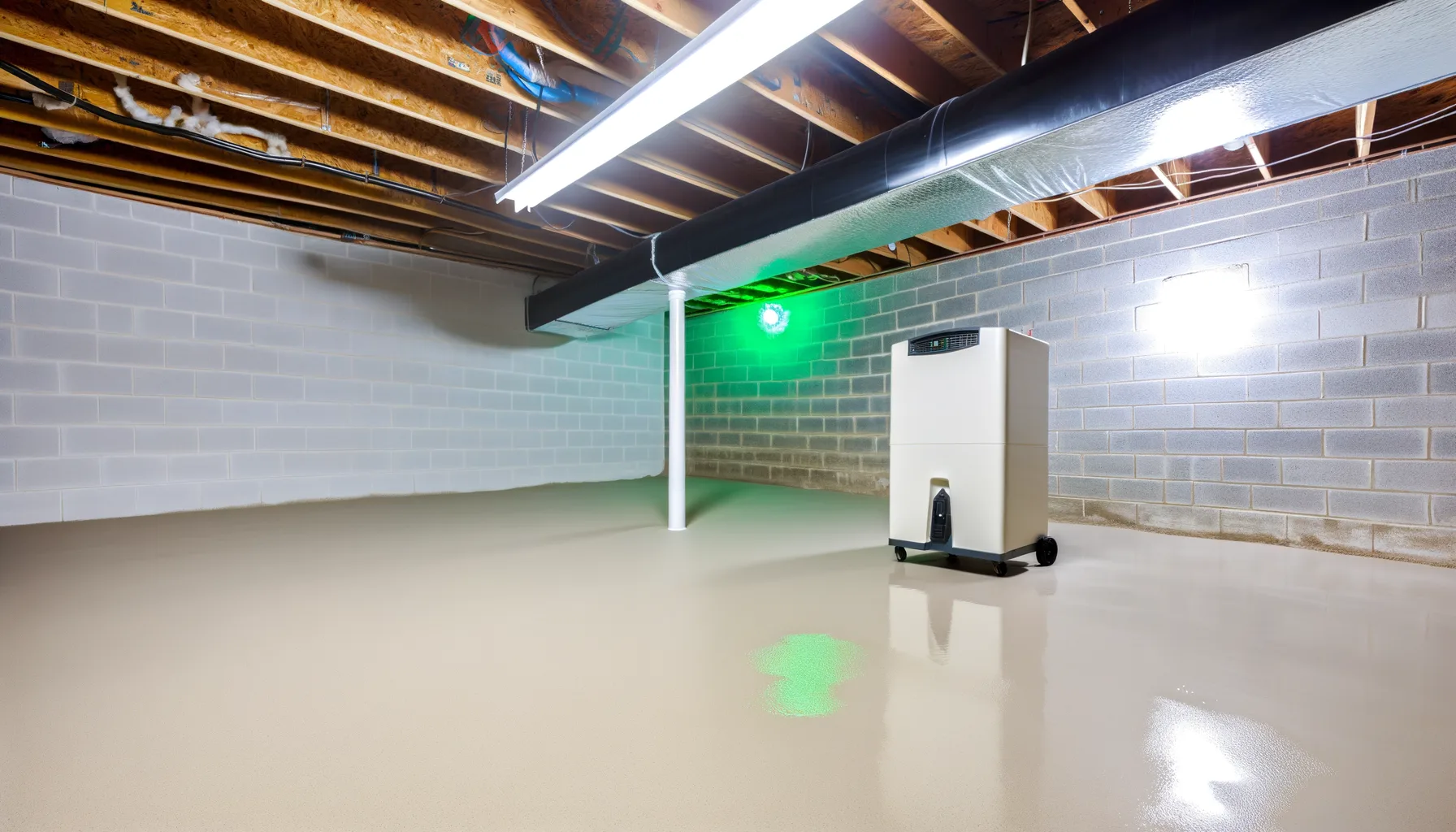
As a Miami homeowner, you cherish the vibrant atmosphere, abundant sunshine, and lush tropical foliage. Yet, with the promise of spring, the reality of high humidity and impending storms looms. Imagine discovering water pooling in your living room after a heavy rainstorm or waking up to stained walls – both signals of water damage that could impose heavy financial burdens on your family.
For Miamians, the risk of water damage is particularly heightened during spring when tropical storms begin to intensify. The salty air accelerates corrosion on fixtures while combined with the region's unique architecture and climate. Understanding these factors becomes essential in safeguarding your home.
Why This Matters for Miami Homeowners
Water damage is a serious concern for homeowners in Miami due to its tropical climate and the risk of hurricanes, which can unleash torrents of rain in a flash. Elevated houses often feature moisture barriers, but these can fail to prevent leakage during prolonged wet seasons. Furthermore, the salt-laden air contributes to rust and deterioration of roofing materials over time.
Left unchecked, water damage can lead to mold, structural issues, and costly repairs. Florida's unique weather patterns mean that homeowners should always be vigilant. A minor leak may quickly escalate into a severe problem, particularly if left unattended during peak humidity months.
Additionally, with spring bringing seasonal rains, it's essential to be mindful of how water flows around your property. Poor drainage can contribute to moisture accumulation around your house, increasing the chances of seepage and consequent damage.
Expert Solutions & Actionable Tips
1. Regular Inspections Are Key
Conducting seasonal inspections can help identify early signs of water damage. Take a moment to check for discoloration on walls and ceilings, inspect the roof and gutters, and look for any dampness in the basement or crawl spaces. This typically takes a few hours and may costs around $200 for a professional inspection, giving you peace of mind before a storm hits.
In addition, highly corrosive salt air in Miami can damage inflatables and roof materials faster than in other regions. Consider using marine-grade materials that offer enhanced protection against moisture and corrosion.
2. Seal Windows and Doors
Ensure that all doors and windows have a tight seal. Regularly applying fresh weatherstripping can cost around $100 but can significantly reduce moisture entry. Pay attention to caulking around these areas to create a barrier against the humid air and rain.
Additionally, install storm shutters or have protective measures in place when storms are forecast. This upfront investment can save you from extensive damage down the line.
3. Check Your Plumbing System
Old or corroded pipes can develop leaks that lead to significant issues over time. A professional plumber may charge approximately $150 to $350 for a general inspection of your plumbing system. Be aware of anything unusual, such as low water pressure or discolored water, as these can be warnings of larger underlying problems.
Take precautionary action by replacing aged pipes with modern materials that are resistant to corrosion, yielding long-term savings on repairs.
4. Install a Sump Pump
Investing in a sump pump can drastically help in managing excess water, especially for homes in flood-prone areas. The average cost of a sump pump installation in Miami ranges from $1,000 to $2,500. However, this preventive measure can save thousands by potentially averting water intrusion during heavy rains.
Setting it up in your basement or lowest area ensures that any water entering the home is promptly expelled, preserving the integrity of your property.
5. Use Dehumidifiers Wisely
In Miami's humid climate, running dehumidifiers can help maintain lower moisture levels indoors, costing about $50 to $250 depending on the model. These units help protect your home’s structure and belongings from dampness that can lead to mold growth.
Consider placing them strategically in areas prone to moisture accumulation, such as bathrooms and basements.
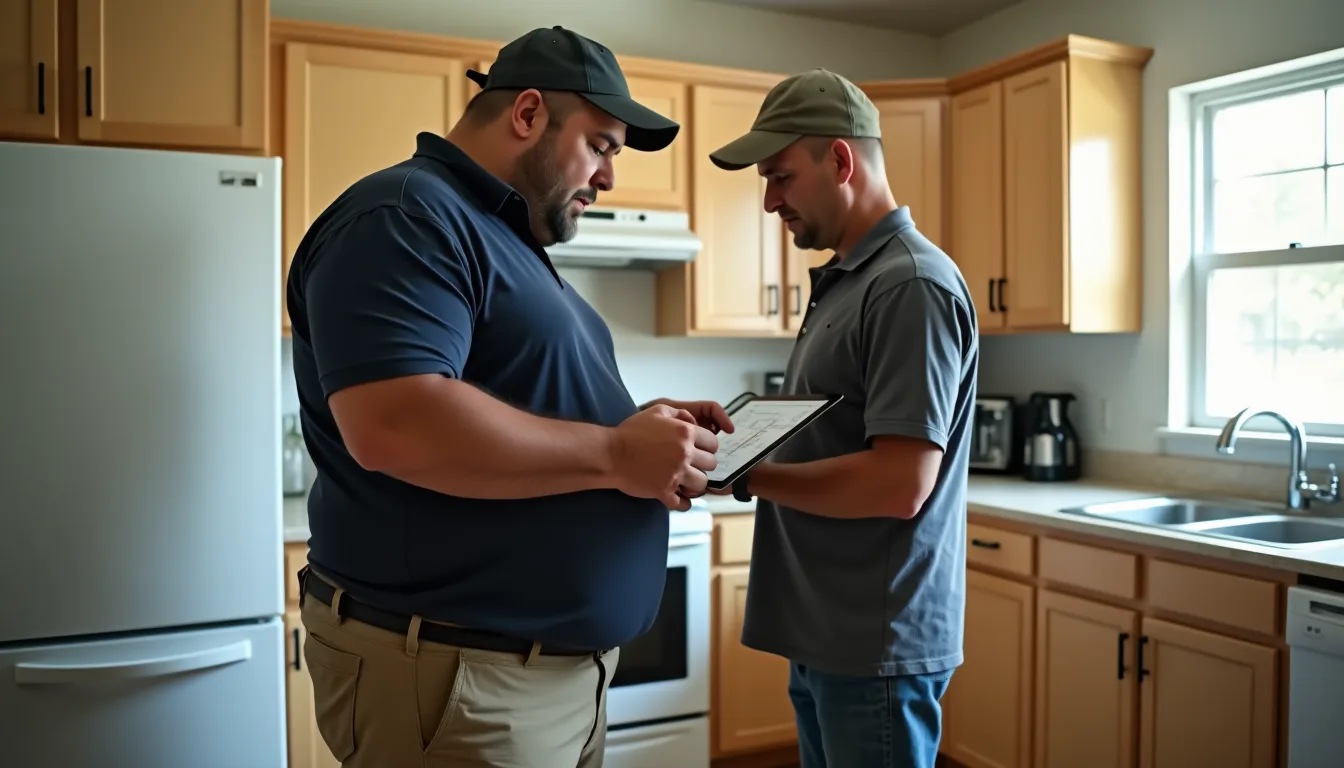
6. Know When to Call for Help
Detecting issues early allows for timely intervention that may save expensive fixes later. Calling a water damage restoration professional can cost anywhere from $500 to $3,000 based on the extent of the damage. Their expertise often ensures efficient restoration, preventing long-term consequences.
If you notice ongoing leaks, persistent damp odors, or visible mold, do not hesitate to seek professional assistance to mitigate the risk of further damage.
Miami Climate & Local Context
Miami's unique environment comes with its own set of challenges for homeowners regarding water damage. The combination of a tropical climate, high humidity, and seasonal hurricanes creates an environment ripe for moisture-related issues. Elevated homes require effective moisture barriers to promote drainage and prevent flooding in vulnerable areas.
Additionally, coastal properties should consider local building codes that enforce strict guidelines for water damage preparedness, including proper drainage systems and waterproofing techniques. Understanding these factors and garnering the correct permits is essential for effective restoration work.
When to Call a Professional
Deciding between handling water damage repairs yourself or calling a professional often hinges on the severity and nature of the issue. A DIY approach may save money, particularly for minor leaks or surface mold, but care must be taken as improper fixes may exacerbate problems.
Look out for these red flags:
- Widespread mold growth on walls or ceilings
- Severe structural damage including cracked foundations and sagging floors
- Persistent musty odors that indicate hidden moisture
- Water pooling in unusual areas
- Compromised electrical systems due to water exposure
If any of these signs are present, calling in professionals is not just advisable; it ensures safety and proper restoration of your environment.
Frequently Asked Questions
What should I do first if I discover water damage?
Immediately stop the source of water, if safe to do so, and contact RailPro Water Damage Restoration for assessment and remediation. Quick action minimizes damage and costs.
How long does it take to restore my home from water damage?
The duration of restoration varies significantly based on the severity of the damage; minor repairs can take days, while extensive damage might require weeks. RailPro Water Damage Restoration can provide a timeline after an initial inspection.
Are there specific building codes I need to be aware of in Miami?
Yes, Miami has stringent building codes that mandate flood-resistant construction and adequate drainage solutions. Understanding these regulations is crucial for compliant water damage restoration.
Can I prevent water damage in my Miami home?
Absolutely! Regular maintenance, proper sealing of windows, and prompt repairs of leaks can significantly decrease risk. Employ moisture mitigation practices to safeguard your residence from water intrusion.
What is the typical cost for water damage restoration services?
The costs can range from $500 to over $3,000, depending on the level of damage and remedial work required. RailPro Water Damage Restoration provides transparent estimates to help you plan your budget.
Get Expert Water Damage Restoration Service in Miami
This spring, don't let water damage ruin your peace of mind. To keep your Miami home safe and secure from the unpredictability of spring storms, reach out to RailPro Water Damage Restoration. Our experienced team is ready to assist you with expert advice and restoration services.
Contact us today at (305) 845-1663 and ensure your property remains your sanctuary.
Service Areas
More Articles
The 6 Questions Your Miami Insurance Adjuster Will Ask About Water Damage Restoration
2026-05-11
Water Damage RestorationWhy Miami's Older Neighborhoods Face Higher Water Damage Restoration Risk
2026-05-11
Water Damage RestorationSpring Water Damage Restoration Checklist for Miami Homeowners
2026-05-11