The Miami Homeowner's Summer Moisture Inspection Checklist
Published: 2026-05-11 · By RailPro Water Damage Restoration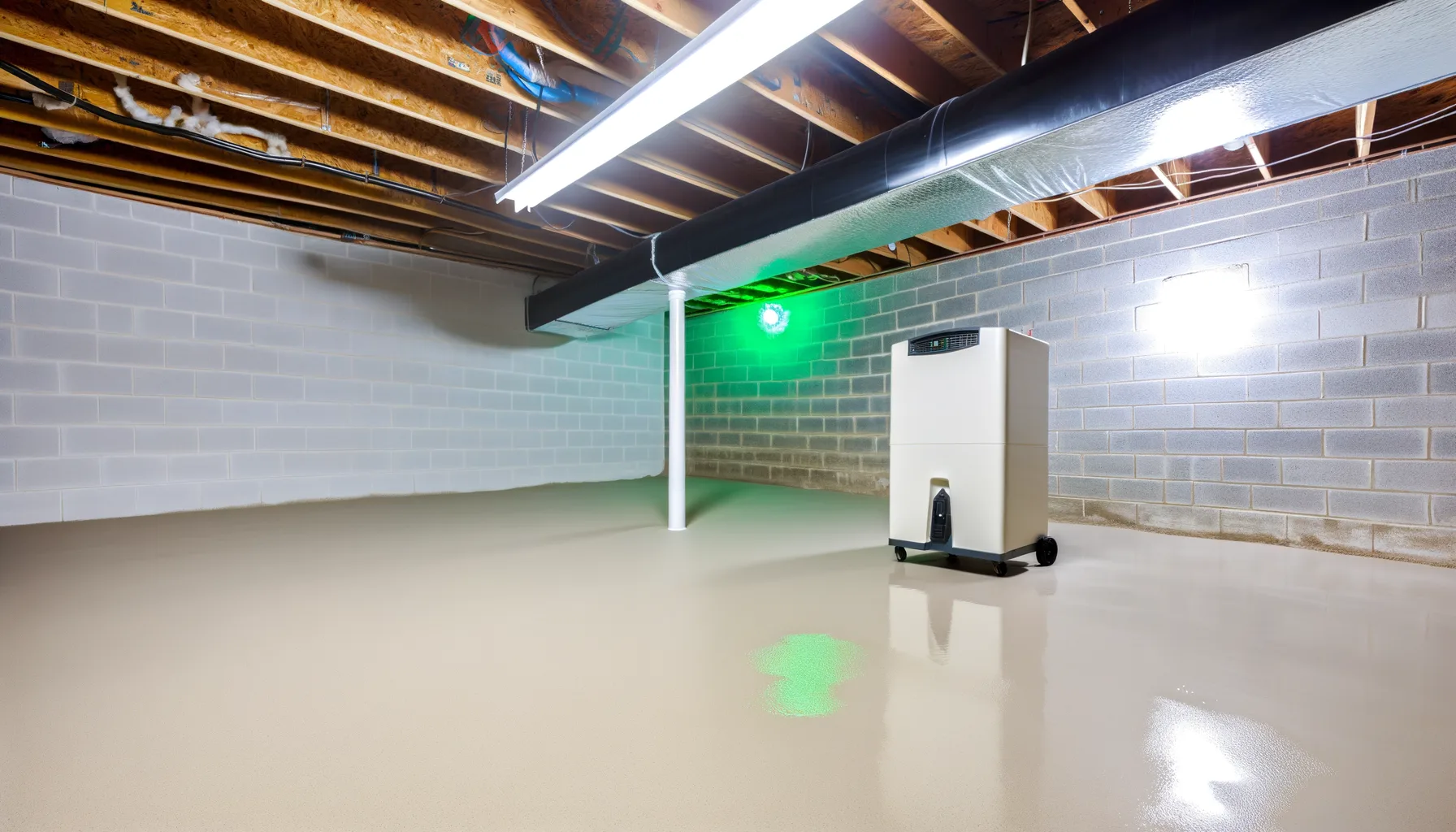
As summer sweeps through Miami, residents relish the warm sun and vibrant atmosphere, but lurking within the beauty is a silent, ever-looming threat: moisture. With humidity levels soaring and tropical storms ready to roll in, your home is under constant assault from the elements. Many homeowners often overlook the signs of moisture damage, which can escalate quickly and lead to costly repairs. This summer, get ahead of potential issues with a comprehensive moisture inspection checklist tailored specifically for the unique challenges faced by Miami properties.
Why This Matters for Miami Homeowners
For Miami homeowners, high humidity is more than just an inconvenience. It can lead to severe water damage if not managed properly. The combination of salt air and tropical storms creates an ideal environment for mold and mildew to flourish, significantly impacting not only the aesthetics of your home but also its structural integrity. Elevated homes may benefit from moisture barriers, but if these aren’t maintained or inspected regularly, they can fail, exposing your property to water intrusion.
Moreover, the wear and tear caused by salt air can corrode metal fixtures, making it essential to keep a vigilant eye on these components. An ignored leak can culminate in extensive damage, surprising repairs, and even health hazards from mold exposure. That's why developing a sustainable moisture inspection routine is critical for any homeowner in Miami.
Expert Solutions & Actionable Tips
1. 1. Inspect Your Gutters and Downspouts
Ensure your gutters are clean and directing water away from your home’s foundation. In Miami’s intense summer storms, debris can quickly clog gutters, leading to overflow and potential water damage. Regular inspections and clearings can cost between $75 to $200, depending on whether you perform them yourself or hire a service.
It’s prudent to inspect these twice a year, especially post-hurricane season, to prevent flooding during heavy rains.
2. 2. Check for Visible Mold
Conduct a thorough search for mold growth, especially in high-humidity areas like bathrooms and basements. If you spot mold, it’s crucial to act quickly. Minor treatment options like sprays and wipes can cost $10 to $50, while professional removal starts around $500.
Being proactive about hidden areas such as under sinks or around windows can save you significant headaches down the line.
3. 3. Evaluate Your Home's Sealants
Inspect the sealants around windows and doors, as they degrade over time, especially in a humid beach city like Miami. Re-sealing is often a DIY job that can cost only $20 to $50 for materials, but neglecting it could lead to extensive damage.
Routine checks before the rainy season ensure these sealants are intact, which is essential in preventing water intrusion and related damages.
4. 4. Identify Leaks in Pipes
Check under sinks and around your bathroom or kitchen for water stains, which can indicate significant leaks. A small leak can evolve into a big problem, with plumbing repairs costing anywhere from $150 to $500, depending on severity.
If you suspect any leaks, address them immediately to curb mold growth and larger repairs.
5. 5. Monitor Humidity Levels
Invest in a hygrometer to monitor indoor humidity levels. Ideally, humidity should stay between 30-50%. If levels are persistently higher, consider purchasing a dehumidifier. Prices range from $150 to $300, but significantly decrease the risk of water damage and mold.
Regularly maintaining optimal humidity can protect your health and your property.
6. 6. Ensure Adequate Ventilation
Check that your attic and other confined spaces are well-ventilated to combat condensation, particularly crucial in Miami’s hot summers. Ventilation kits can cost around $100 to $400, which could potentially save thousands in future repairs.
Proper airflow can help regulate humidity and reduce moisture-related issues significantly.
Miami Climate & Local Context
Miami’s unique climate features high humidity levels and coastal proximity that pose significant risks for homeowners. Elevated homes, a common sight here, often feature moisture barriers — an essential feature for combatting water intrusion. Yet, even with these constructions, the threat of tropical storms and hurricanes presents regular challenges. The summer season brings not only heat but also increased weather activity, which can exacerbate pre-existing vulnerabilities in homes.
Moreover, Miami building codes advocate for effective drainage and proper sealing methods to mitigate water damage risks. It’s crucial for homeowners to adapt their maintenance routines to align with local regulations, ensuring compliance while protecting their investments.
When to Call a Professional
Knowing when to tackle a moisture issue yourself versus bringing in a professional can drastically reduce the potential for damage. If a leak is detected in an easily accessible area, such as under a sink, a quick DIY repair may be feasible. However, some situations require the expertise of a water damage professional to avoid worsening the problem.
- Ongoing leaks that persist despite your efforts.
- Visible mold growth over a large area (more than a few square feet).
- Water pooling around your home’s foundation.
- Water stains on walls or ceilings suggesting hidden leaks.
- Stubborn odors that signal mold or moisture accumulation.
- Damage after a heavy storm or flood event.
In these scenarios, calling in an expert ensures thorough remediation and prevents the stress of DIY mishaps.
Frequently Asked Questions
What are the typical signs of water damage in Miami homes?
Typical signs include discoloration on walls, peeling paint, and musty odors. Given Miami’s humid climate, these signs may develop swiftly after a leak or storm.
How can I prevent mold growth in my home?
Controlling humidity levels is key. Use dehumidifiers and ventilate high-moisture areas to keep it below 50%. Regular inspections can also help identify mold before it spreads.
Is water damage restoration covered by homeowners insurance?
Often, yes. However, it depends on the cause of the damage. Flood-related issues usually need separate flood insurance, which many Miami homeowners must consider.
How quickly should I address water damage?
It’s best to address water damage within 24 to 48 hours to prevent mold growth and structural harm, especially in a humid environment like Miami.
What should I do if I notice a water leak?
Initially, stop the source of the leak if safe to do so. Then, contact a professional water damage restoration service like RailPro Water Damage Restoration for a thorough assessment.
Get Expert Water Damage Restoration Service in Miami
Don’t let moisture damage disrupt your summertime in Miami. For peace of mind and expert assistance, reach out to (305) 845-1663 for a professional evaluation of your property.
RailPro Water Damage Restoration can equip you with the solutions you need to safeguard your home while navigating the humid summer months in Miami.
Service Areas
More Articles
The 6 Questions Your Miami Insurance Adjuster Will Ask About Water Damage Restoration
2026-05-11
Water Damage RestorationWhy Miami's Older Neighborhoods Face Higher Water Damage Restoration Risk
2026-05-11
Water Damage RestorationSpring Water Damage Restoration Checklist for Miami Homeowners
2026-05-11